Cat Kidney Disease (CKD): Early Signs, Stages, and Why Detection Is the Whole Game
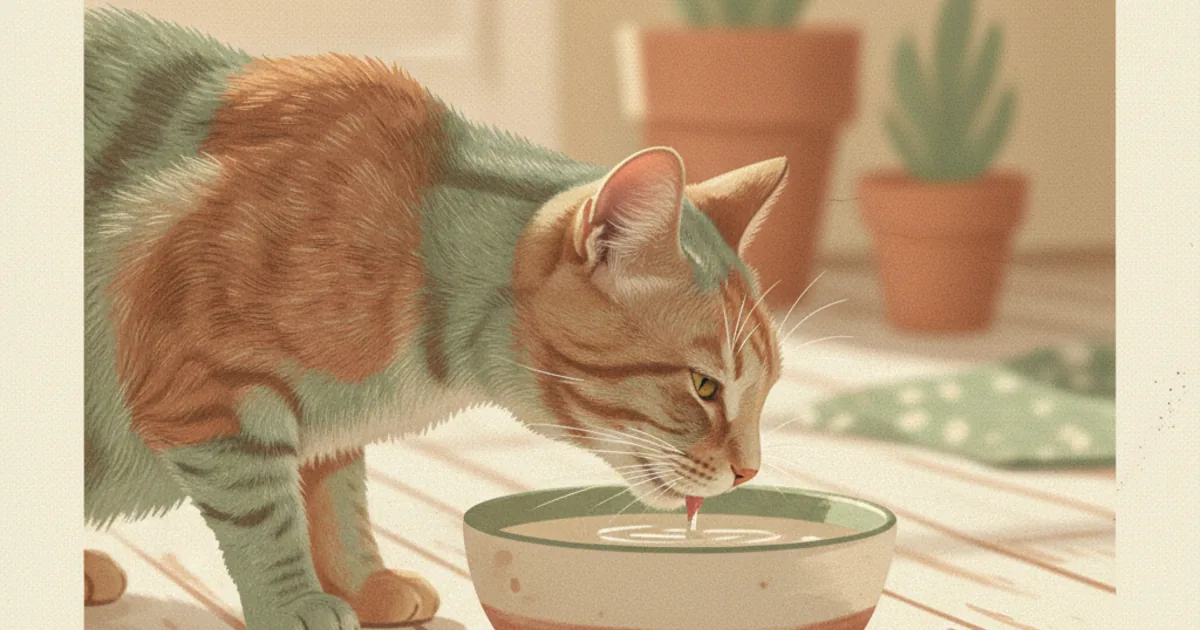
Chronic kidney disease (CKD) is the leading cause of death in older cats. Estimates put prevalence at 30-40% of cats over 10 and 50%+ of cats over 15. It's also one of the most slowly-developing feline conditions — the disease typically progresses over years, with early signs appearing long before any acute crisis.
The good news: CKD caught early is dramatically more manageable than CKD caught late. Cats diagnosed at IRIS Stage 2 or 3 with active management commonly live 2-4 more years of good quality. Cats diagnosed at Stage 4 (when the cat is already in crisis) face much harder choices. The difference is whether the disease was caught during routine senior screening or only after the cat was visibly unwell.
What kidneys do (and what fails first)
The kidneys do three big jobs: filter waste products from the blood, concentrate urine to retain water, and regulate electrolyte and acid-base balance. CKD impairs all three, but the FIRST function to noticeably fail is urine concentration. The kidneys lose the ability to produce concentrated urine, so the cat produces more dilute urine, which means they have to drink more water to maintain hydration. This is the "polyuria/polydipsia" (PU/PD) signal — and it's often the first thing owners notice, usually because the litter box is heavier or the water bowl empties faster.
By the time waste-product filtration is meaningfully impaired (rising BUN and creatinine on bloodwork), the disease has typically been progressing for months to years.
The three early signals owners can spot
1. Increased thirst and urination (the giveaway)
The kidneys can't concentrate urine, so urine volume goes up, so water intake compensates. Practically, this looks like: heavier litter box, more frequent litter clumps, water bowl drained faster, cat seen drinking more often or from unusual sources (sink, toilet, plants). Once you notice the pattern, it's already been progressing.
2. Gradual weight loss
Early CKD reduces appetite slightly and impairs protein-energy metabolism. The weight loss is gradual — drift over months, not dramatic. This is why monthly weigh-ins of senior cats are so important; without baseline data, you can't see the drift. See the broader unexplained weight loss guide for the full senior-cat workup.
3. Mild lethargy
Less play, longer naps, slightly less interested in usual activities. Often attributed to "she's just getting older" — and partly that's true, age slows cats down — but a senior cat that's also losing weight and drinking more is showing the CKD pattern, not just normal aging.
None of these signs is dramatic individually. They're drift signals — see the health rhythm drift detection guide for the broader pattern-matching framework.
How CKD is diagnosed and staged
A complete CKD workup uses bloodwork + urine tests + (sometimes) blood pressure + (sometimes) imaging.
Bloodwork
- Creatinine — classic kidney marker. Rises when ~75% of kidney function is lost.
- BUN (blood urea nitrogen) — rises with kidney impairment but also affected by dehydration and diet.
- SDMA (symmetric dimethylarginine) — more sensitive early marker. Detects CKD when only 25% of kidney function is lost — meaningfully earlier than creatinine. Now widely available; should be standard on senior wellness panels.
- Phosphorus — rises in mid-late CKD; high phosphorus accelerates kidney damage.
- Potassium — often LOW in CKD cats (urinary potassium loss).
Urine tests
- Specific gravity — measures urine concentration. Healthy cats produce concentrated urine (USG > 1.035); CKD cats produce dilute urine (USG closer to 1.010, "isosthenuric").
- UPC (urine protein:creatinine ratio) — quantifies protein loss into urine. Proteinuria worsens prognosis and informs treatment.
Staging (IRIS system)
The International Renal Interest Society (IRIS) staging system grades CKD from 1 to 4 based on creatinine + SDMA + clinical signs. A summary:
- Stage 1: very early, often only SDMA-detected, no clinical signs. Most cats here are caught only because vets are running senior wellness panels including SDMA.
- Stage 2: mild-moderate kidney impairment, mild PU/PD often present. The most common stage at diagnosis when based on visible signs.
- Stage 3: moderate-severe impairment, weight loss + reduced appetite + clear PU/PD. Often the stage at which active management decisions are made.
- Stage 4: severe impairment, often crisis presentation (vomiting, anorexia, severe dehydration, neurological signs). Harder to manage; survival typically months not years from this point.
The stages are then sub-classified by proteinuria status and blood pressure status. The treatment stack scales with stage — Stage 2 cats often need just a renal diet; Stage 4 cats may need multiple medications, fluid therapy, and intensive support.
The treatment stack — what genuinely extends life
1. Prescription renal diet
The single most validated intervention. Renal diets are phosphorus-restricted, protein-moderate (not low — "low protein" is a lingering myth), and enriched with omega-3 fatty acids and antioxidants. Multiple studies show cats on renal diet live roughly twice as long as cats on standard diet at the same stage. Brands include Hill's k/d, Royal Canin Renal, Purina NF, and others. Not every cat will switch easily — work with your vet on transition strategies (gradual mixing, multiple flavours, sometimes warming the food).
2. Hydration support
Multiple water stations around the home (cats prefer drinking away from food). Cat fountains (moving water encourages drinking). Wet food (more water content than dry). For advanced CKD, owner-administered subcutaneous fluids 2-3 times per week — your vet teaches this; it sounds intimidating and turns out to be straightforward. Stage 3-4 cats often live months longer with consistent fluid support.
3. Phosphorus binders
Added to food when phosphorus stays elevated despite renal diet. Phosphorus accelerates kidney damage; controlling it slows progression.
4. Blood pressure management
Hypertension is very common in CKD cats (some estimates 20-65%) and damages kidneys further if untreated. Telmisartan or amlodipine are common medications. Your vet should measure BP at every CKD recheck.
5. Appetite + nausea support
Late-stage CKD cats often develop nausea and reduced appetite. Mirtazapine (transdermal or oral) is widely used as an appetite stimulant; ondansetron or maropitant for nausea. These don't treat the underlying disease but make the cat feel better, which buys time and quality.
The hyperthyroid interplay
This is the single most important nuance. CKD and hyperthyroidism commonly coexist in older cats. Hyperthyroidism INCREASES renal blood flow, which makes kidney function look BETTER on bloodwork than it really is. About 30-40% of hyperthyroid cats have underlying CKD that's being masked.
When hyperthyroidism is treated, the underlying CKD becomes visible — kidney values "worsen" on follow-up bloodwork. The CKD was always there; treatment just unmasked it. See the hyperthyroid early signs guide for the treatment-decision implications.
If your cat has been diagnosed with hyperthyroidism, kidneys need watching throughout treatment, not just at diagnosis.
The screening cadence that catches CKD early
For all cats over 10:
- Annual senior wellness panel including creatinine, BUN, SDMA, phosphorus, total T4, and full urinalysis with USG.
- Twice-yearly screening after age 14 or after any abnormal value.
- Monthly weigh-ins at home — see the unexplained weight loss workup.
- Ongoing PU/PD monitoring — note if water bowl is emptying faster or litter box is heavier than usual.
SDMA in particular has changed early CKD diagnosis substantially over the past 5-7 years. If your vet doesn't routinely include it, ask. The cost is modest and the lead time it provides is meaningful — Stage 1 catches give you years of stable disease before the cat reaches Stage 3.
What this changes day-to-day
For a healthy senior cat: SDMA-inclusive senior wellness panels twice a year, monthly home weigh-ins, attention to PU/PD signals. That's the screening burden — modest, mostly your vet's job, the home-monitoring part is just looking.
For a cat with diagnosed CKD: renal diet (the single most validated intervention), aggressive hydration, recheck schedule guided by your vet (typically every 3-6 months for Stage 2, more often for Stage 3-4), and patience. Cats with active CKD management commonly live years of comfortable life — the diagnosis isn't a death sentence; it's a management plan.
The earlier the catch, the better the outcome. The earlier catch comes from screening senior cats whether or not they look "fine."
Frequently asked questions
What are the earliest signs of cat kidney disease?
Three signals, in roughly the order they appear: (1) INCREASED THIRST AND URINATION (polyuria/polydipsia, "PU/PD") — the kidneys lose their ability to concentrate urine, so the cat compensates by drinking more. Often the first thing owners notice when scooping the litter box. (2) GRADUAL WEIGHT LOSS — early CKD reduces appetite slightly and impairs nutrient absorption. (3) MILD LETHARGY — less play, longer naps, slightly less interested in routine activities. None of these is dramatic in early CKD — they're drift signals (see the cat health rhythm guide). They become obvious only after the disease has progressed for months or years.
How is CKD diagnosed and staged?
A combination of blood and urine tests. Bloodwork measures BUN, creatinine, phosphorus, and SDMA (a more sensitive early marker — detects CKD when only 25% of kidney function is lost, vs creatinine which needs 75% loss). Urine tests measure specific gravity (concentration) and protein loss. The IRIS staging system grades CKD from Stage 1 (early, often only detected via SDMA) through Stage 4 (severe). Most cats are diagnosed at Stage 2 or 3 because that's when symptoms become noticeable; widespread SDMA testing is gradually moving diagnosis earlier into Stage 1.
Is CKD treatable?
Manageable, not curable — but excellent management is possible and meaningfully extends quality life. The treatment stack: (1) PRESCRIPTION RENAL DIET — phosphorus-restricted, protein-moderate, omega-3-enriched. The single most validated intervention; cats on renal diet live roughly twice as long as those on standard diet. (2) HYDRATION SUPPORT — multiple water stations, water fountains, wet food, sometimes subcutaneous fluids at home for advanced cases. (3) PHOSPHORUS BINDERS — added to food when phosphorus levels stay high. (4) BLOOD PRESSURE MEDICATION when hypertension is present (very common in CKD). (5) APPETITE STIMULANTS for late-stage anorexia. Cats diagnosed at Stage 2 or 3 with active management commonly live 2-4 more years on average.
Why is CKD so common in older cats?
Estimates put CKD prevalence at 30-40% of cats over 10 and 50%+ of cats over 15. The exact reasons aren't fully understood, but contributing factors include: (1) cats' relatively low natural water intake (descended from desert ancestors), making them more vulnerable to chronic dehydration stress on the kidneys; (2) dental disease (which sends inflammation into systemic circulation, affecting kidneys); (3) hypertension; (4) diet history; (5) possibly viral exposures earlier in life. Most cases are "idiopathic" — no single cause identified. The practical implication: assume CKD is part of the senior-cat picture and screen accordingly.
What's the relationship between CKD and hyperthyroidism?
They commonly coexist in older cats — and importantly, hyperthyroidism MASKS underlying CKD on bloodwork. The increased renal blood flow caused by excess thyroid hormone makes kidney values look better than they are. When hyperthyroidism is treated, the underlying CKD becomes visible. This is why vets often run a cautious methimazole trial before committing to definitive radioiodine therapy — to see how the kidneys respond before unmasking is permanent. See the hyperthyroid early signs guide for the broader picture. If your cat has been diagnosed with hyperthyroidism, the kidneys need to be watched throughout treatment, not just at diagnosis.
Triage your cat in under 60 seconds
Not sure if this is an emergency? CatMD runs feline-specific triage on symptoms or photos and returns a 0–99 health score with urgency tier, differentials, and a vet-ready summary.
Get the app