Read your cat
Cats can't talk, but they're saying a lot. The vocabulary of tails, ears, whiskers, eyes, and posture — and how to read what your cat is feeling without guessing.
Body language fundamentals
The five channels every cat owner can learn to read: tail, ears, whiskers, eyes, and posture. With a printable cheat-sheet at the end of each.
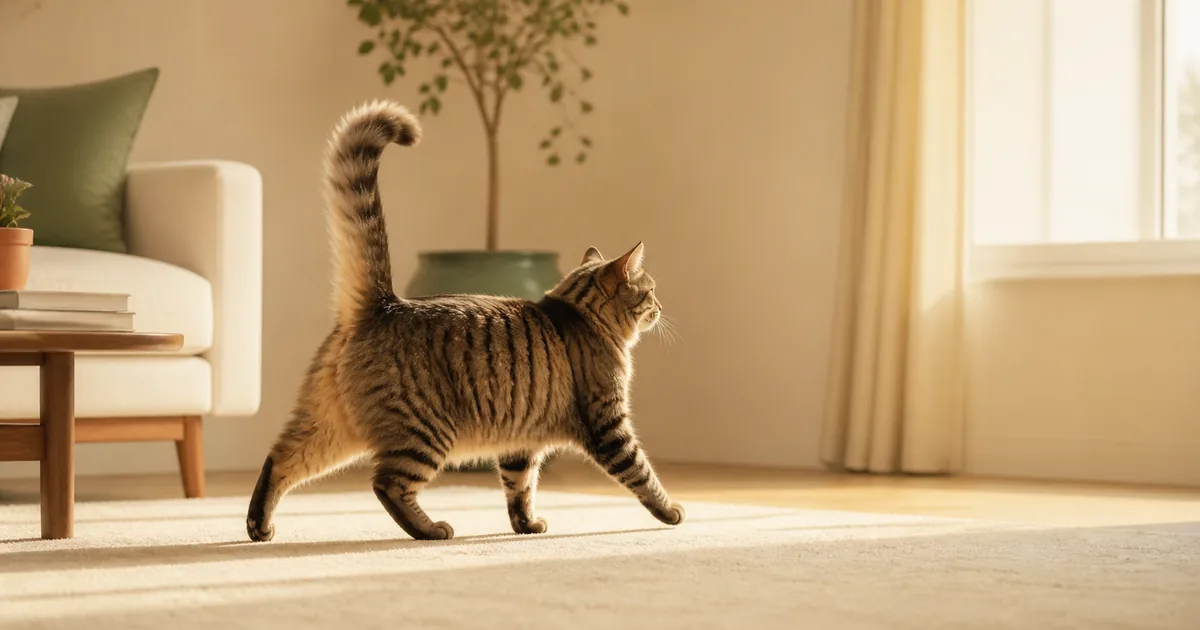
Cat Tail Language: What Your Cat's Tail Is Telling You
The tail is the most readable channel a cat has. Seven positions, what each one means, and the body-language combinations that change everything.
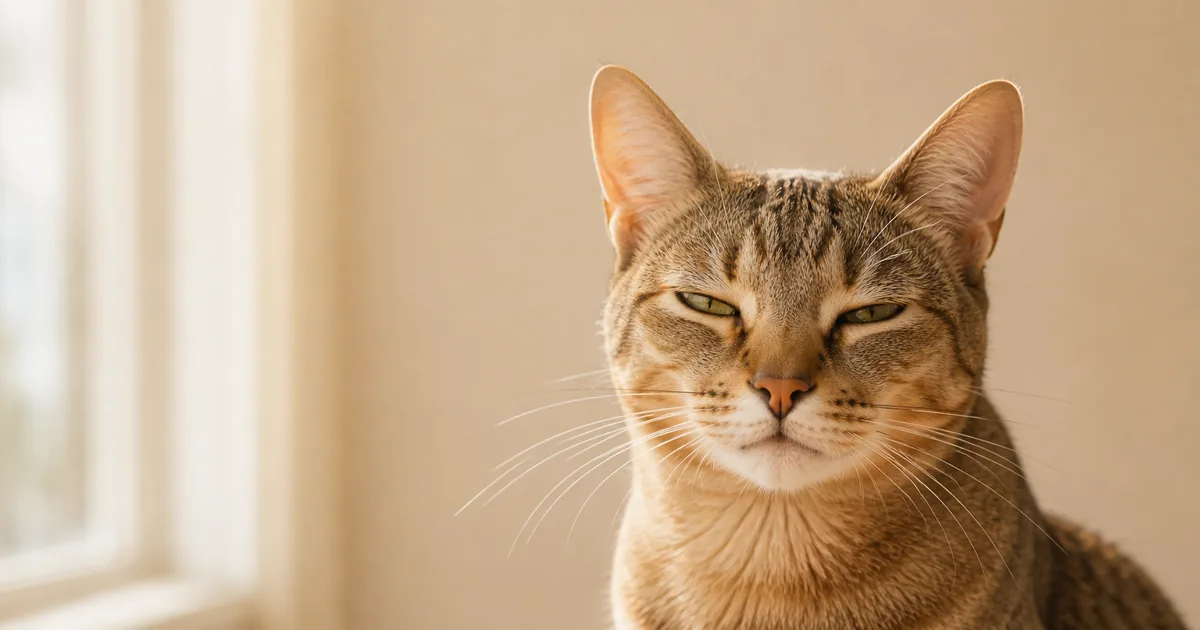
Cat Body Language: Ears, Eyes, Tail
Cat body language meaning, decoded. What ears, eyes, whiskers, tail, and posture each tell you about how your cat feels — with a quick chart.
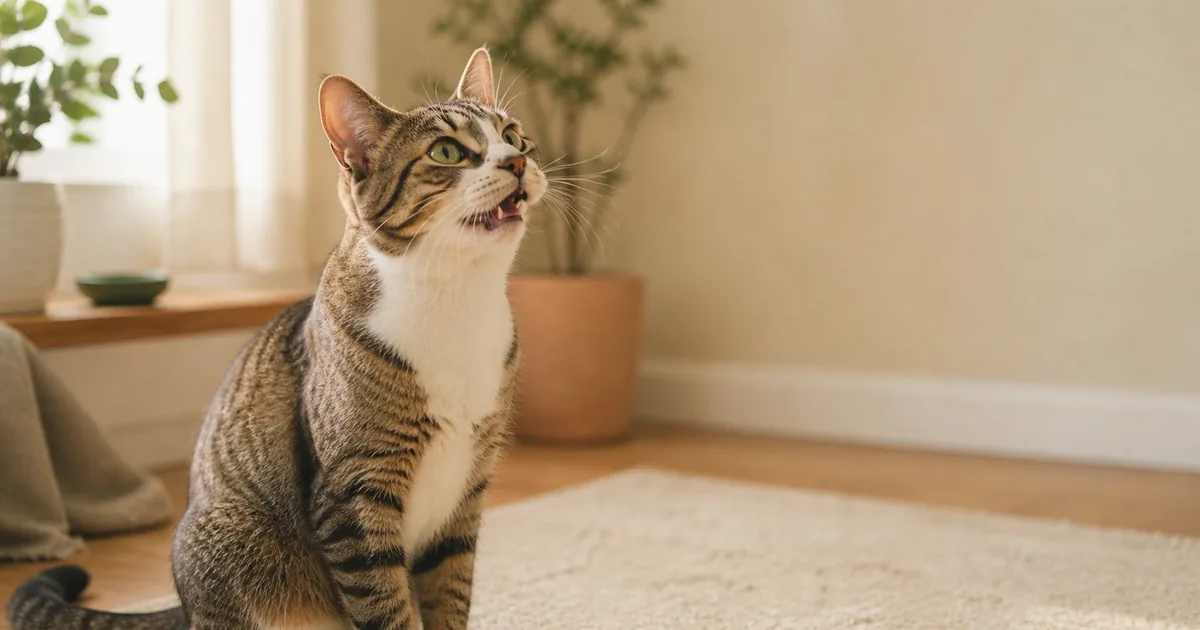
Cat Vocalizations: Meow, Chirp, Purr
Cats make 21+ sounds, but use about 8 daily. What each means, why adult cats meow almost only at humans, and how vocalisations shift with age.

Why Does My Cat Meow at Me? 9 Reasons Explained
Adult cats meow almost only at humans, never at each other. The 9 reasons your cat meows at you — hunger, attention, illness — and how to tell which.
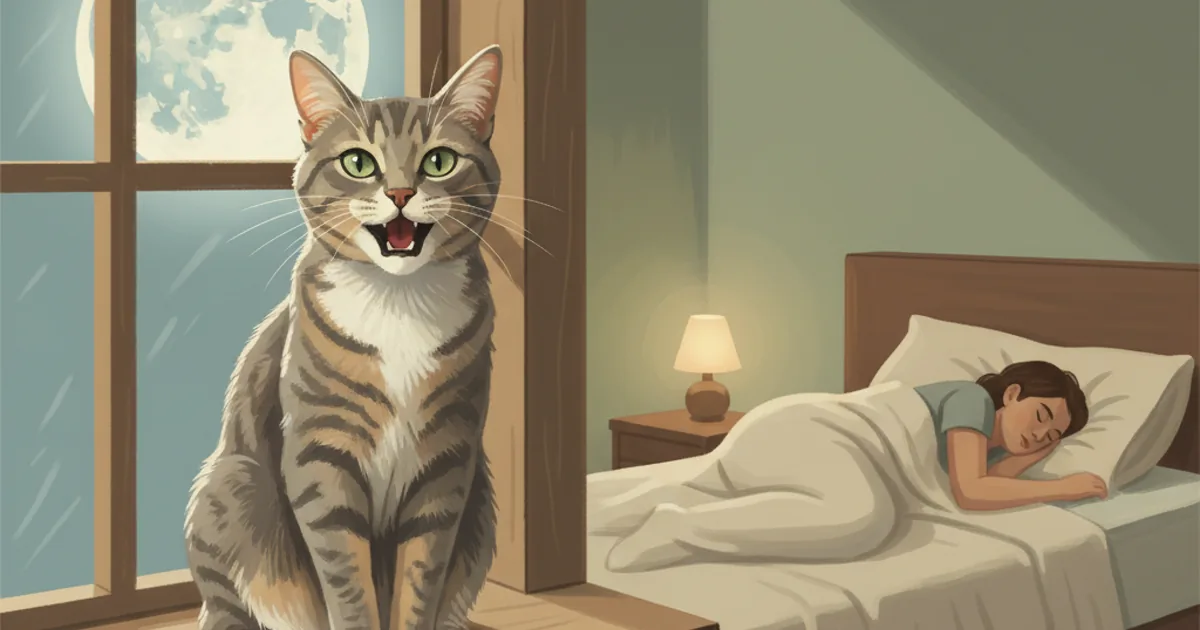
Why Does My Cat Meow at 3 AM? How to Sleep Again
Cats meow at night for 7 reasons — hunger, boredom, attention, senior cognitive change, hyperthyroidism, pain, frustration. How to fix it.
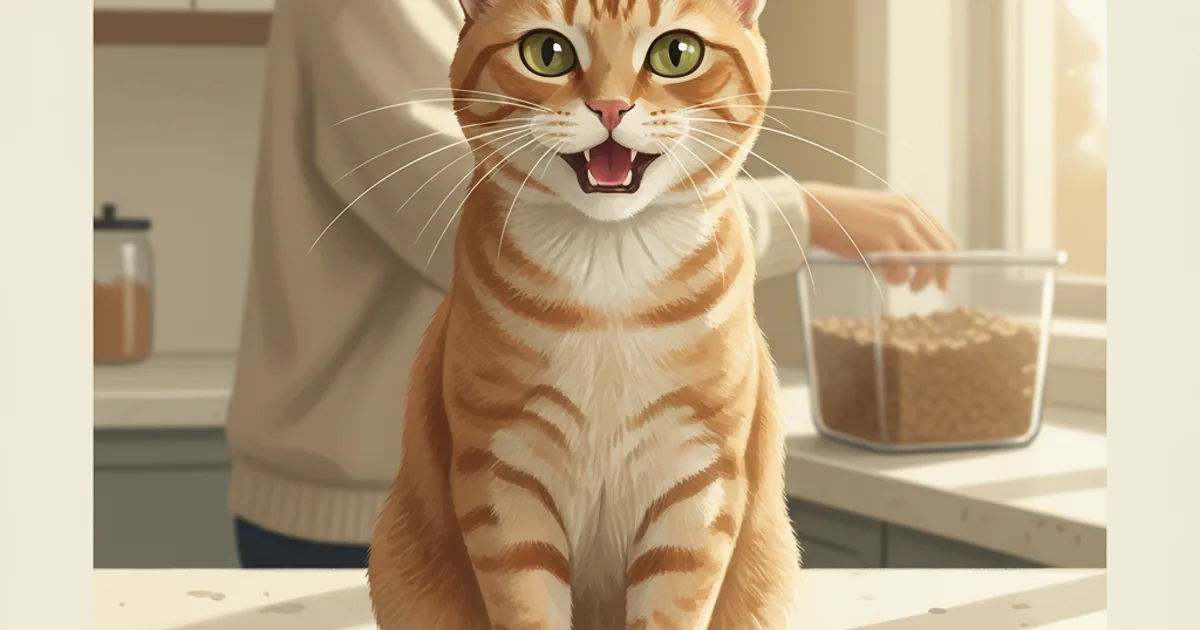
Why Is My Cat Meowing So Much? Causes Explained
Cat meowing more than usual has 6 causes — attention-seeking, hunger, medical, anxiety, senior cognitive change, hormones. How to tell which.
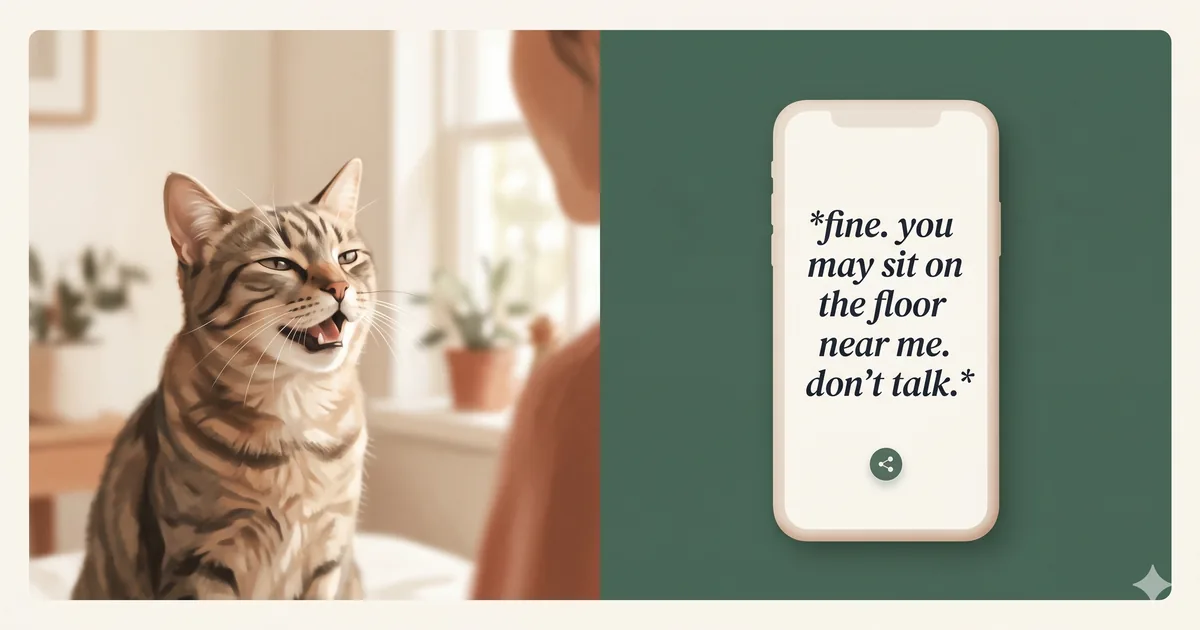
AI Cat Translator: How Meow Translation Apps Work
AI cat translator explained: how multimodal apps use audio, body language, and per-cat memory to interpret meows. Compares MeowTalk, CatGPT, CatMD.

How Cat Body Language Reader Apps Work (6 Seconds)
How AI cat body-language reader apps analyze tail, ears, eyes, posture, and motion in a 6-second video to read your cat's emotional state.
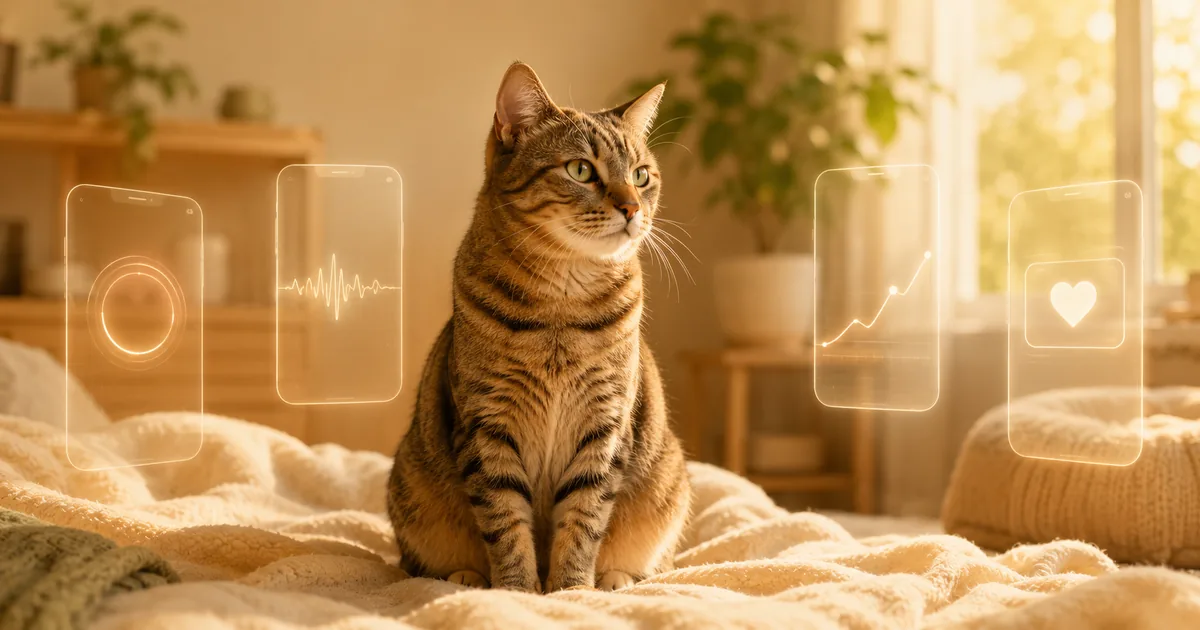
AI Cat Health Apps Compared: Features and Use Cases
Honest comparison of the leading AI cat health and translator apps — Tably, MeowTalk, CatsMe, CatMD. What each one reads, where each one shines.
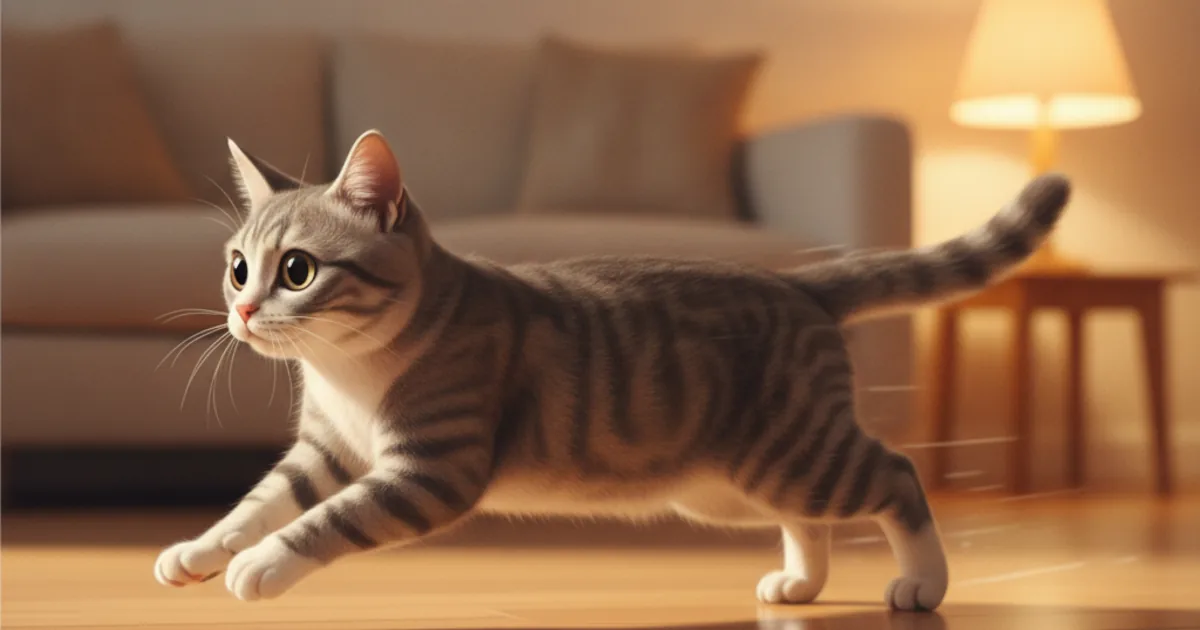
Cat Zoomies Explained: Why Cats Sprint at 3 AM
The science of cat zoomies — burst-energy circuits, post-poop dashes, evening predator-cycle, and when it's worth checking with a vet.